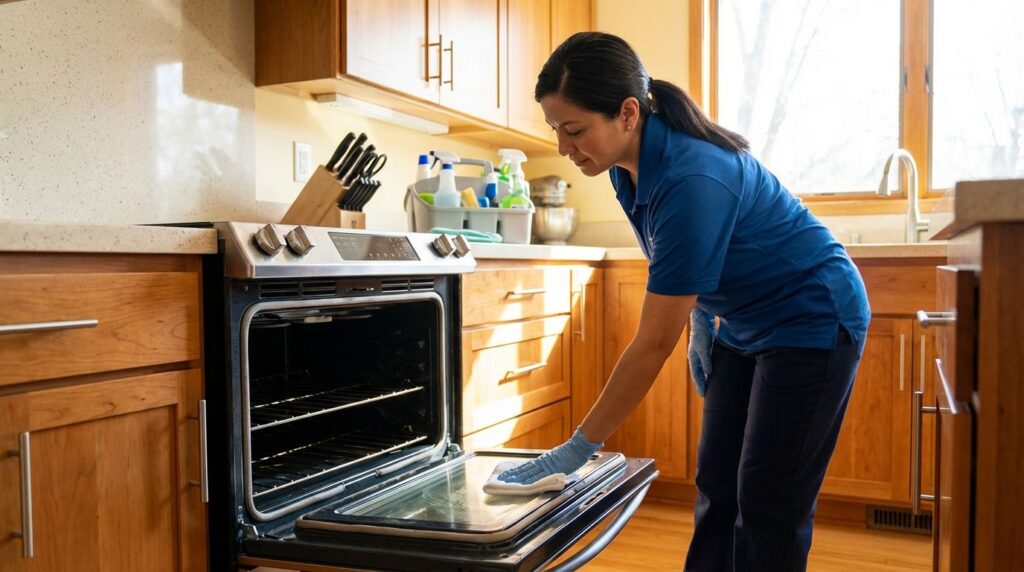
Your oven is one of the most used appliances in your home, and like any hardworking machine, it rewards consistent care with reliable performance and a longer lifespan. The alternative — ignoring routine maintenance — typically means paying for repairs that could have been avoided, or replacing the appliance years earlier than necessary.
At Tri-City Repairs, we’ve seen firsthand how a little regular attention can keep ovens running like new well past the 15-year mark. This guide covers the key oven maintenance habits that homeowners in Coquitlam, Port Coquitlam, and Port Moody can start today to protect their appliance and avoid expensive service calls.
Why Oven Maintenance Matters More Than You Think
It’s easy to take the oven for granted — it turns on, it heats up, food comes out cooked. But behind that simplicity, the oven deals with extreme temperature cycles, grease and food residue, and continuous use that all take a toll on its components. The most common causes of oven breakdowns we see are preventable: a bake element that burned out because it was coated in baked-on grease, a door seal that cracked because it was never cleaned, or a temperature sensor that failed because of accumulated residue.
Proper maintenance doesn’t require much time — most of what we cover here takes 10–20 minutes and should be done only a few times per year.
Key Oven Maintenance Tasks
1. Clean the Oven Interior Regularly (But the Right Way)
Baked-on grease and food residue are the enemies of your oven’s components. When food spills onto the bake element and bakes on repeatedly, it creates insulating buildup that causes the element to overheat locally — a common cause of element failure. Grease buildup on the oven walls also reduces efficiency and creates smoke during cooking.
How often: Wipe up spills immediately (once the oven has cooled). Do a more thorough cleaning every 3–6 months depending on use.
Cleaning methods:
- Self-cleaning cycle: Most modern ovens include a self-clean function that heats the interior to 480°C (900°F) to incinerate residue. This is effective but generates significant heat and smoke. Open windows, run the range hood, and remove pets from the area. Never leave the house during a self-clean cycle. Run it no more than 4–6 times per year — the intense heat stresses components including door gaskets and control boards.
- Manual cleaning: For regular maintenance cleaning, a paste of baking soda and water applied to the interior walls and left for a few hours breaks down grease effectively. Wipe clean with a damp cloth and a small amount of white vinegar to remove residue. This is gentler on components and perfectly effective for routine cleaning.
- Steam cleaning: Some ovens offer a lower-temperature steam clean option. It’s gentler than self-clean and works well for light to moderate soil.
What not to do: Avoid spraying harsh chemical oven cleaners near the heating elements, door gasket, or sensor probe — chemicals that contact these components can cause damage or premature failure. Also avoid lining the oven bottom with aluminum foil — it blocks airflow and can damage the bake element.
2. Inspect and Clean the Door Gasket
The oven door gasket is a woven fibreglass or silicone seal that runs around the inside perimeter of the oven door opening. It keeps heat inside the oven during cooking. When it deteriorates — becoming brittle, compressed, or damaged — heat escapes around the door, causing the oven to work harder to maintain temperature and creating uneven cooking results.
What to check: With the oven cool, inspect the gasket all the way around. Press it gently — it should feel soft and springy, not stiff or crumbly. Look for tears, missing sections, or areas where it’s compressed flat. Grease and food buildup on the gasket can harden it and reduce its effectiveness.
How to clean it: Wipe the gasket with a damp cloth and mild dish soap. Don’t use harsh chemicals or abrasive pads — these damage the fibres. Let it dry completely before using the oven.
When to replace it: If the gasket is torn, stiff, or has sections missing, replace it. Oven gaskets are inexpensive and available for most models — many can be replaced by pressing the new one into its channel without tools.
3. Clean the Burner Elements and Check for Damage
In electric ovens, the bake element (bottom) and broil element (top) are the heating components. Keeping them clean and inspecting them regularly prevents premature failure.
Cleaning: Wipe elements gently with a damp cloth only after they’ve cooled completely. Never use abrasive scrubbers or submerge them in water. Baked-on residue can sometimes be carefully scraped off with a plastic scraper after the element has heated and cooled a cycle or two.
Inspection: Periodically check the bake element for blistering, cracking, or dark spots — particularly any spot where the element appears to have burned through. A small hole in the element coil is a sign it’s about to fail completely. If you see this, stop using the oven and schedule a replacement — a failed element mid-cycle can damage the oven floor and the control circuitry.
Uneven baking is often the first sign of an element problem. Our post on Troubleshooting an Oven with Uneven Baking Results covers element and airflow issues in detail.
4. Keep the Temperature Sensor Clean and Unobstructed
The temperature sensor probe — typically a thin metal rod extending from the back wall of the oven interior — measures the actual air temperature and signals the control board to regulate the heating elements. If the probe is coated with grease or food residue, its readings become less accurate, leading to temperature inconsistencies and longer preheat times.
What to do: When cleaning the oven interior, include the sensor probe. Gently wipe it with a damp cloth. Make sure it’s not touching the oven walls — contact with the wall affects its readings. Also make sure oven racks and baking pans aren’t positioned so they touch the sensor probe when inserted.
Mineral deposits can also affect the sensor, especially in areas with hard water. The Effects of Mineral Buildup on Your Appliance Performance is worth reading for insights on how mineral accumulation affects appliances throughout your home.
5. Verify Oven Temperature Accuracy Periodically
Oven thermostats and sensors drift over time, meaning the temperature displayed on your control panel may no longer match the actual temperature inside the oven. This leads to the baffling experience of following recipes perfectly but getting inconsistent results.
Pick up an inexpensive oven thermometer and place it in the centre of the oven. Set the oven to 350°F (175°C), allow it to fully preheat, and wait 15–20 minutes for the temperature to stabilize. Compare the thermometer reading to the set temperature. A variance of more than 25°F indicates a calibration or sensor issue worth addressing.
Many modern ovens allow you to adjust the temperature calibration through a menu setting — check your manual for instructions.
6. Clean and Inspect the Control Panel
The control panel and oven knobs (if applicable) accumulate grease and residue from cooking. Beyond aesthetics, excessive buildup around buttons or knobs can cause sticking, incorrect settings, or eventual electrical issues.
How to clean: Use a slightly damp cloth with mild dish soap. Avoid spraying liquid directly onto the panel — liquid can seep into electronics. For knobs, remove them if possible (most pull straight off) and wash separately.
7. Keep the Oven Door Hinges in Good Condition
Oven door hinges take a lot of abuse — the door is heavy and opened and closed hundreds of times per year. Worn hinges cause the door to sag, preventing a proper seal and allowing heat to escape. You may notice the door doesn’t close flush or that it’s harder to open and close than it used to be.
Maintenance: Don’t hang heavy oven mitts or towels from the door handle — this puts stress on the hinges over time. If you notice the door is noticeably misaligned or doesn’t close level, have the hinges inspected before the problem affects the door seal and baking performance.
How Long Should an Oven Last with Good Maintenance?
A well-maintained electric oven should last 13–15 years, sometimes longer. The most common reasons ovens are replaced before that point are: element failure from grease buildup, door gasket failure from neglect, and control board damage from cleaning chemical exposure. All of these are preventable with the maintenance steps above.
If your oven is showing issues despite regular care — or if it’s past the 12-year mark and has needed multiple repairs — it may be worth considering whether to repair or replace. DIY vs Professional Appliance Repair: When to Call the Experts walks through how to think about that decision objectively.
Your Oven Maintenance Calendar
- After every use: Wipe up spills once cool.
- Monthly: Quick wipe-down of interior walls, clean the door gasket, inspect the sensor probe position.
- Every 3–6 months: Deep clean the interior (baking soda method or self-clean), inspect the bake and broil elements, check oven temperature accuracy with a thermometer.
- Annually: Check door hinge condition, inspect the door gasket for wear, verify control panel buttons are all functioning correctly.
When to Call Tri-City Repairs
If your oven is showing signs of component failure — an element with visible damage, a door that won’t close properly, temperature accuracy issues that don’t resolve with calibration, or error codes on the display — call Tri-City Repairs. We service ovens of all major brands throughout Coquitlam, Port Coquitlam, and Port Moody, and we carry the most common replacement parts to get your oven back in service quickly.
Call us at (604) 359-5952 or book online at tricityrepairs.ca. We’re your local appliance repair experts in the Tri-Cities.