How to Prevent Lint Buildup in Your Dryer for Safe Operation
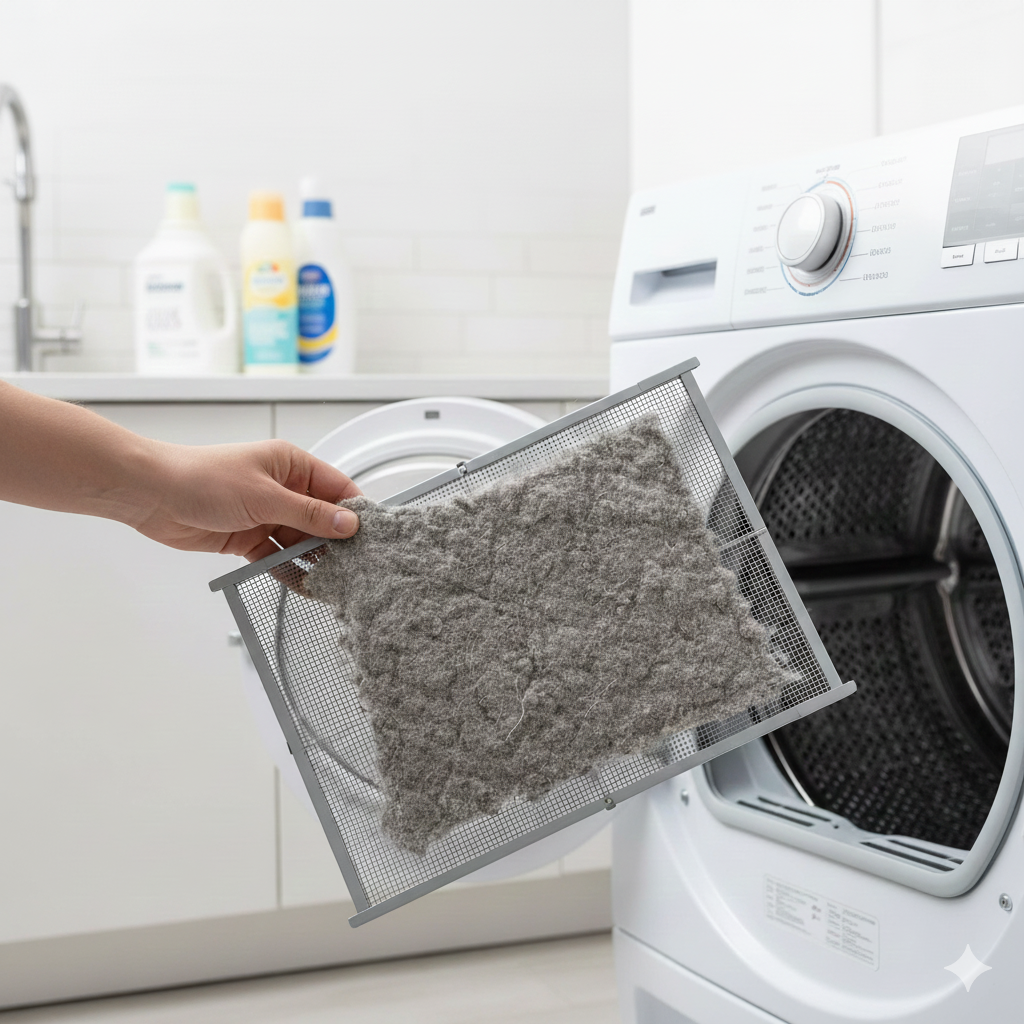
Dryers are one of those household appliances we often take for granted—until something goes wrong. You toss in a load of laundry, hit start, and expect everything to come out warm and fluffy. But lurking behind that convenience is a sneaky culprit: lint buildup. If you’ve ever pulled a fuzzy sheet from your lint trap and thought, “That’s it?” you’re only seeing the tip of the iceberg. Lint can accumulate in places you can’t easily reach, leading to reduced efficiency, higher energy bills, and worst of all, serious safety risks like fires. In this article, we’ll dive into practical ways to prevent lint buildup in your dryer, ensuring it runs safely and smoothly. Whether you’re in Coquitlam, Port Coquitlam, or Port Moody, keeping your dryer in top shape is essential, and if things get tricky, local experts like Tricity Repairs can help. Give them a call at (604) 359-5952 for professional appliance maintenance right in your neighborhood.
I’ve been around appliances long enough to know that a little prevention goes a long way. Let’s break this down step by step, from understanding the problem to implementing solutions that fit into your busy life.
What Exactly Is Lint Buildup and Why Does It Happen?
Lint is basically those tiny fibers that shed from your clothes during the drying process. Every time you run a cycle, bits of cotton, wool, or synthetic materials get loosened and carried away by the hot air. The lint trap catches a lot of it, but not everything. Over time, stray lint sneaks into the dryer’s exhaust vent, ducts, and even the internal components.
Why does this buildup occur? Well, it’s a combination of factors. High-heat settings speed up fiber breakdown, while overloading the dryer means more clothes rubbing together, creating extra lint. If your vent system is long or has bends, airflow gets restricted, and lint has more chances to settle. In humid climates like ours here in the Tri-Cities area, moisture can make lint stickier, worsening the issue.
Think about it: a standard dryer cycle produces about a handful of lint per load. Multiply that by weekly laundry for a family of four, and you’re looking at pounds of potential buildup annually. It’s not just annoying; it’s a hazard waiting to happen. According to fire safety reports, thousands of home fires each year are linked to dryers, with lint being the primary cause. Don’t let your home become a statistic—staying on top of this is key.
The Hidden Dangers of Ignoring Lint in Your Dryer
Let’s get real about the risks. Lint is highly flammable, and when it builds up, it can ignite from the dryer’s heat source. Imagine a spark from the heating element catching on a clump of lint in the vent—boom, you’ve got a fire spreading through your ducts. The National Fire Protection Association notes that failure to clean dryers is the leading factor in these incidents, causing millions in property damage.
Beyond fires, lint buildup makes your dryer work harder. Blocked vents reduce airflow, so clothes take longer to dry, spiking your energy bills. You might notice your dryer running hotter or making unusual noises, signs that it’s straining. Inefficiency also shortens the appliance’s lifespan—motors overheat, belts wear out faster, and before you know it, you’re calling for repairs.
For folks in Port Moody or nearby, where homes often have stacked laundry setups or external vents exposed to the elements, these issues can escalate quickly. Rain and debris from outside can mix with lint, creating a perfect storm for blockages. If you’re experiencing longer drying times or a musty smell, it might be time to act. Companies like Tricity Repairs specialize in dryer vent cleaning and can spot these problems early. Their team serves Coquitlam, Port Coquitlam, and Port Moody, and they’re just a phone call away at (604) 359-5952.
On a personal note, I once helped a neighbor who ignored the signs until their dryer vent was completely clogged. It wasn’t pretty—smoke filled the laundry room, and they were lucky it didn’t turn into something worse. Learn from stories like that; prevention is always cheaper than the alternative.
Essential Daily Habits to Keep Lint at Bay
The good news? Preventing lint buildup starts with simple, everyday habits. First and foremost, clean your lint trap after every single load. It takes seconds: pull out the screen, scrape off the fuzz, and give it a quick rinse if it’s sticky. Some people use a vacuum attachment for a deeper clean—try it, and you’ll be amazed at what hides underneath.
Don’t stop there. Check the area around the dryer for stray lint. It loves to accumulate on the floor or behind the machine. A quick sweep or vacuum weekly keeps things tidy. Also, avoid drying items that shed excessively, like new towels or fuzzy blankets, without shaking them out first.
What about the detergent you use? Liquid fabric softeners can leave a residue that attracts more lint, so opt for dryer sheets or wool balls instead. These not only reduce static but help fluff clothes, minimizing fiber release. And here’s a tip: run an empty cycle with a damp cloth occasionally to pick up loose lint inside the drum.
Incorporating these routines doesn’t require much effort, but they pay off big time. If you’re in a multi-unit building in Coquitlam, shared vents can compound the problem, so being diligent is even more important. If daily maintenance feels overwhelming, consider scheduling a professional check-up with Tricity Repairs—they handle everything from basic cleanings to full inspections, ensuring your dryer operates safely.
Step-by-Step Guide to Cleaning Your Dryer Vent
Now, let’s tackle the vent itself. This is where most buildup hides, and cleaning it annually (or more if you do heavy laundry) is crucial. You’ll need a vent cleaning kit—brushes, rods, and a vacuum—with tools available at most hardware stores.
Step 1: Unplug the dryer and move it away from the wall. Safety first—electricity and lint don’t mix well.
Step 2: Disconnect the vent hose from the back of the dryer. Use a screwdriver if needed, and have a bucket ready for any debris.
Step 3: Vacuum out the opening on the dryer and the hose. Insert the brush rod into the vent duct, twisting as you push to loosen lint. Pull it back slowly to remove the gunk.
Step 4: For external vents, go outside and clean the flap or hood. Birds’ nests or leaves can block it, especially in Port Coquitlam’s leafy neighborhoods.
Step 5: Reassemble everything and run a test cycle to check airflow. If clothes dry faster, you’ve done it right!
This process might take an hour, but it’s worth it. If your vent is long or rooftop-mounted, DIY might not cut it—call in pros like Tricity Repairs at (604) 359-5952. They use specialized equipment to reach deep into ducts, serving the Tri-Cities area with expertise you can trust.
I remember attempting this myself the first time and ending up with lint everywhere. It’s messy, but satisfying when you see how much comes out. Just wear a mask to avoid inhaling fibers.
When to Call in Professional Help
While DIY is great for basics, some situations call for experts. If you’ve cleaned the vent but still notice issues like overheating or burning smells, there could be deeper problems—like a damaged duct or internal buildup.
Professionals have tools like high-powered vacuums and cameras to inspect vents thoroughly. They can also check for gas leaks in gas dryers or electrical faults in electric ones. In our damp Pacific Northwest climate, mold can mix with lint, creating health hazards, so a pro clean ensures everything’s sanitary.
For residents in Port Moody, Coquitlam, or Port Coquitlam, Tricity Repairs is your go-to. They’ve been helping locals with appliance issues for years, from preventive maintenance to emergency fixes. Don’t wait for a breakdown—call (604) 359-5952 to schedule a dryer vent cleaning. Their team knows the common pitfalls in our area’s homes and can tailor advice to your setup.
Promoting regular professional service isn’t just about business; it’s about safety. One client I know avoided a potential fire thanks to a timely inspection. Peace of mind is priceless.
Advanced Prevention Strategies for Long-Term Safety
Beyond cleaning, upgrade your setup for better prevention. Install a metal vent hose instead of plastic or foil—they’re less prone to kinks and fires. Booster fans can help if your duct is over 25 feet long, improving airflow.
Smart dryers with sensors alert you to blockages—worth considering if you’re replacing an old model. Also, wash your lint screen with soap quarterly to remove residue from dryer sheets.
Lifestyle tweaks help too: air-dry heavy items, use lower heat settings, and sort loads by fabric type. These reduce lint production from the start.
In multi-family homes common in the Tri-Cities, coordinate with neighbors on shared vents. If everyone’s proactive, everyone benefits.
Common Myths About Dryer Lint Debunked
Myth 1: “The lint trap catches everything.” Nope—up to 20% escapes into vents.
Myth 2: “New dryers don’t need cleaning.” Even brand-new ones accumulate lint quickly.
Myth 3: “Lint buildup only affects old homes.” Modern setups aren’t immune, especially with energy-efficient models that run cooler but longer.
Busting these myths keeps you informed. If doubts linger, consult Tricity Repairs—they’re experts in debunking and fixing.
Conclusion: A Safer, More Efficient Laundry Routine
Preventing lint buildup isn’t rocket science—it’s about consistency and awareness. From daily trap cleaning to annual vent deep cleans, these steps ensure your dryer runs safely, saves energy, and lasts longer. In Coquitlam, Port Coquitlam, and Port Moody, where weather and home designs can amplify issues, staying vigilant is smart.
If you’re unsure or need help, reach out to Tricity Repairs at (604) 359-5952. Their local service makes maintaining your appliances hassle-free. Remember, a well-cared-for dryer isn’t just efficient—it’s a safeguard for your home and family. Start implementing these tips today, and enjoy worry-free laundry for years to come.