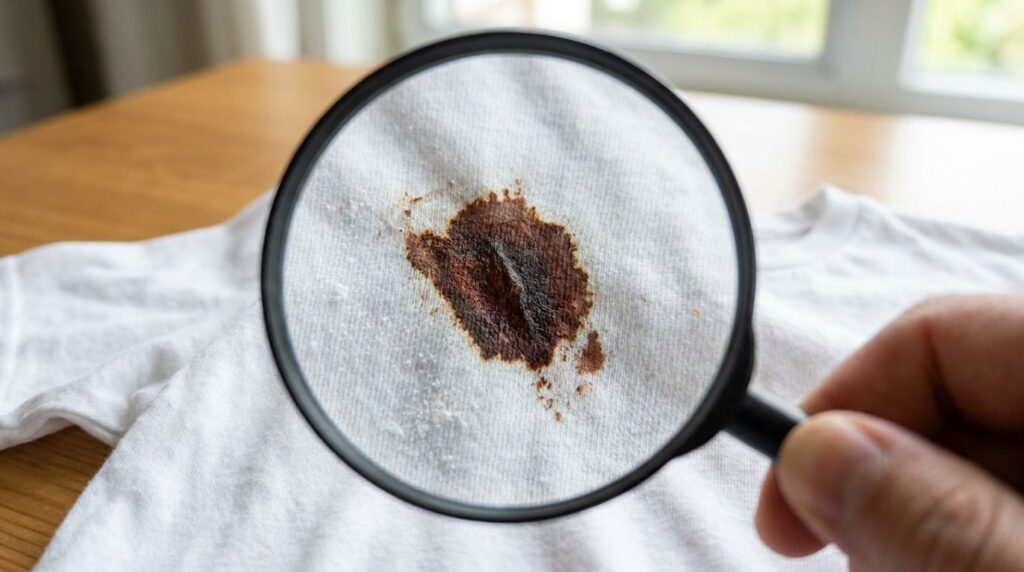
There’s something deeply frustrating about pulling laundry out of the washing machine only to find new stains on your clothes — stains that weren’t there when you put them in. Whether it’s greasy smears, rust-coloured marks, black residue, or soap streaks, a washing machine that stains clothes is a problem that needs diagnosing and fixing quickly. The good news is that each type of stain points to a specific cause, and most of them are fixable without replacing the machine.
In this guide, we’ll break down the most common types of stains washing machines leave on clothes, what’s causing them, and exactly what to do about it. If you’re in Coquitlam, Port Coquitlam, or Port Moody, Tricity Repairs can help if the problem goes deeper than a cleaning fix.
Greasy or Oily Stains
Cause: Fabric Softener or Detergent Not Dissolving
Liquid fabric softener and some concentrated detergents can leave oily smear marks on clothes if they’re not properly diluted before contacting fabric. This happens most often when fabric softener is added directly to the drum rather than the dispenser, or when the softener dispenser is clogged and releases a concentrated glob at the wrong time in the cycle.
Check the fabric softener dispenser — it should be clean and the release hole unobstructed. Run it under hot water and scrub any waxy buildup from the walls of the dispenser cup. Also ensure you’re using the correct amount of softener; too much is a common culprit.
Cause: Detergent Not Fully Rinsing Out
Too much detergent — especially in high-efficiency (HE) machines — creates excess suds that don’t rinse away cleanly. The residue deposits back onto fabrics as greasy or soapy streaks. Always use the amount of detergent specified on the packaging, and use HE-rated detergent in HE machines. Running an extra rinse cycle for heavily soiled loads can help clear residue.
Rust or Brown Stains
Cause: Rust Inside the Drum or on the Drum Paddles
Small chips in the enamel coating of the drum, or rust forming on the drum paddles (the fins inside the drum), can transfer rust-coloured stains to wet fabrics. Inspect the inside of the drum carefully with a flashlight — run a white cloth around the interior and check for rust-coloured residue. Any rust spots should be treated with a rust remover designed for appliances, and damaged enamel should be repaired with appliance touch-up paint to prevent further rust spread.
Cause: Rusty Water Supply
If your home’s pipes are old or if there’s rust in the municipal water supply, sediment and rust particles can enter the machine with the fill water and deposit on clothes — particularly whites and light colours. This usually shows up as small brownish speckles rather than smears. Run the tap water and check if it appears slightly discoloured, especially first thing in the morning before the water has flushed through.
Black or Dark Residue Marks
Cause: Mould or Mildew in the Door Seal (Front-Loaders)
The rubber door boot seal on front-load washing machines is notorious for harbouring mould and mildew in its folds, especially if the door is kept closed between washes and moisture accumulates. Black or dark grey smear marks on laundry — particularly lighter fabrics — are a strong sign of mould in the door seal.
Pull back the folds of the door seal and inspect the interior. Black spots, slime, or a musty smell confirm mould buildup. Clean thoroughly with a mixture of white vinegar and baking soda, or a diluted bleach solution (check your machine’s manual for guidance). Going forward, leave the door ajar between washes to allow moisture to evaporate.
For more on washing machine odours and mould, see: How to Get Rid of Washing Machine Odour.
Cause: Drum Bearing Grease Leaking
In some front-load washers, if the rear drum bearing seal fails, the bearing grease can migrate into the drum and onto clothing — showing up as dark, oily, difficult-to-remove marks on fabrics. This is more common in older machines. If you notice dark marks combined with a grinding or rumbling sound during the spin cycle, the drum bearing is the likely culprit. This requires professional repair.
White Powder or Chalky Residue
Cause: Undissolved Detergent
White powder or chalky residue on dark clothing is almost always undissolved detergent. This happens most often when washing in cold water (detergent dissolves more slowly at low temperatures), using too much powder detergent, or overloading the machine so detergent can’t circulate properly.
Switch to liquid detergent for cold washes, or pre-dissolve powder detergent in warm water before adding it to the machine. Reduce the amount used — most people use significantly more detergent than necessary. Clean the detergent dispenser drawer regularly to prevent caked-on buildup.
Cause: Hard Water Mineral Deposits
Hard water contains high levels of calcium and magnesium. These minerals can deposit as white or grey chalky residue on dark fabrics, particularly after hot washes. Adding a water softener product to your wash (or installing a whole-home water softener) reduces this significantly. White vinegar added to the rinse cycle also helps neutralize mineral deposits.
Ink, Dye, or Colour Transfer Stains
Cause: Colour Bleeding from Other Items
A new dark garment that hasn’t been washed before, a forgotten pen or marker in a pocket, or mixing heavily dyed items with light fabrics can cause colour transfer in the wash. Always wash new dark items separately the first few times, sort colours carefully, and check pockets before loading. Colour catcher sheets added to mixed loads absorb loose dye before it can transfer.
Step-by-Step: What to Do When Your Washer Is Staining Clothes
- Identify the stain type — greasy, rust, black, white/chalky, or colour transfer. Each has different causes.
- Inspect the drum interior — run a white cloth around the drum and check for residue, rust, or mould transfer.
- Check the door seal (front-loaders) — pull back all folds and look for mould.
- Clean the detergent and softener dispensers — remove and rinse thoroughly.
- Run a hot maintenance wash — empty drum, hottest setting, with a cup of white vinegar or a washing machine cleaner tablet.
- Adjust detergent quantity — try reducing by half and see if residue marks improve.
For a full guide to washing machine maintenance, see: How to Maintain Your Washing Machine.
When to Call a Professional
If the stains are dark and oily (possible bearing grease leak), if you find significant rust inside the drum, or if cleaning doesn’t resolve the problem, a technician’s assessment is warranted. Drum bearing replacement and drum enamel repairs are best handled by a professional.
Tricity Repairs serves Coquitlam, Port Coquitlam, and Port Moody with washing machine repair. Call us at (604) 359-5952 and we’ll identify what’s causing your washer to stain clothes. Also see: Signs Your Washing Machine Needs Repair.
Summary
Washing machine stains on clothes are caused by specific issues: detergent or softener residue, rust in the drum or water supply, mould in the door seal, undissolved detergent, hard water minerals, or colour transfer. Identifying the stain type points directly to the solution. Regular cleaning of the drum, door seal, and dispenser prevents most staining issues from developing in the first place.