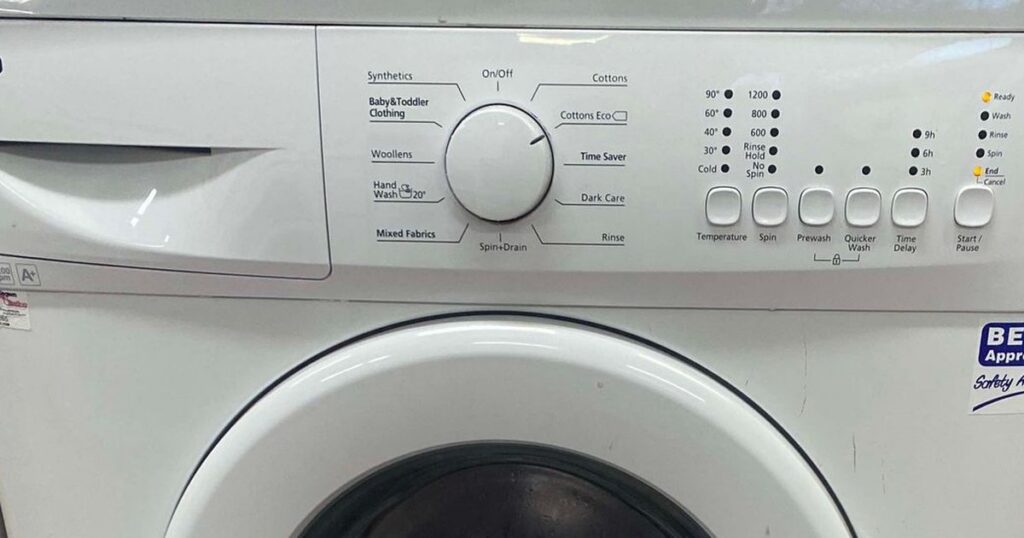
A washer that fills and maybe drains, but never really moves the clothes, often has a simple first check: the lid, the cycle, and whether the machine is actually agitating. GE's page on a top-load washer that fills but won't agitate starts there, and its lid-switch page explains why many models will still fill, drain and advance the timer with the lid up, but won't agitate or spin until the lid is down and the switch is working. Whirlpool's "Not Agitating" help adds cycle and water-level choices that can keep the load from moving properly.
Newer machines can be quiet enough that sound alone is a poor guide. GE says to place a garment in the tub, close the lid, run the washer for a minute or two, and see whether that garment has moved. For service in the Tri-Cities, washer repair is available same or next day when a slot is free.

Key Takeaways
- Confirm the washer isn't agitating by watching a garment in the tub, not only by listening. GE says to run a minute or two with the lid closed and see whether that garment has moved.
- Many GE models will still fill, drain and advance the timer with the lid up, but they won't agitate or spin until the lid is down and the lid switch is working.
- Whirlpool says a low water cycle, or extra water that lets clothes float, can keep the load from agitating properly and can dilute the detergent.
- GE documents a motor reset: unplug for 1 minute, plug back in, then lift and lower the lid 6 times within 12 seconds, starting within 30 seconds of plugging it in.
- If those owner checks fail, a belt, coupler, shifter, motor or control may need a technician.
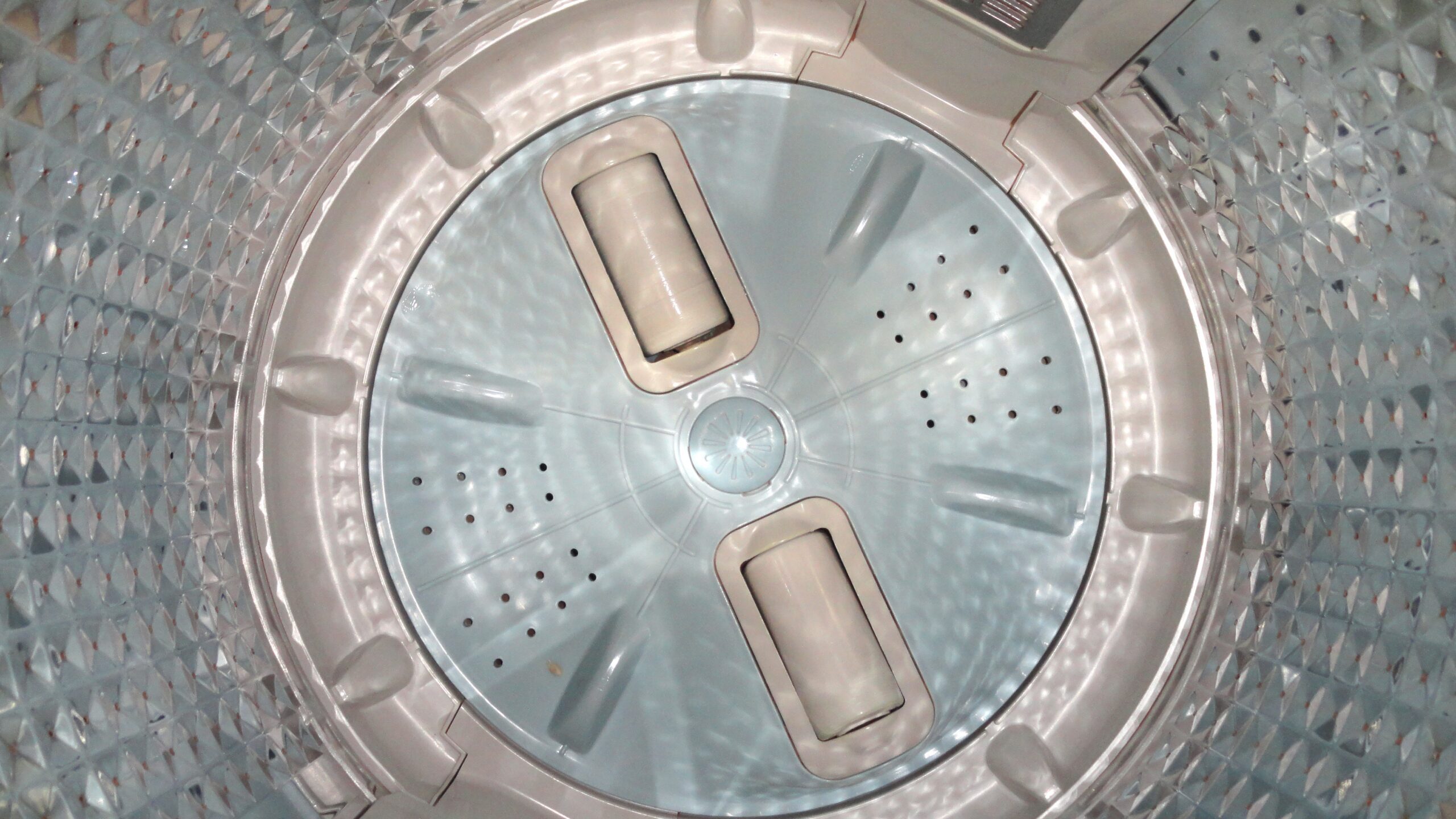
Agitation is the back-and-forth or impeller motion that turns the clothes through the water. A lid switch is the probe or magnet that tells the washer the lid is closed. A motor reset, on the GE models that use it, is the lid sequence that can wake a stalled drive. A tub that fills and sits still, for example, often starts with an open lid or a switch that isn't closing.
Confirm the washing machine won't agitate
Don't go by sound alone on a late-model machine. Follow GE's garment test: one item in the tub, lid closed, a minute or two on a normal wash, then look. If the item has moved, the washer is agitating and a different complaint, such as a poor clean, may belong on a cycle or detergent check. If it hasn't moved, stay on this page. A rinse skip or a mid-cycle stop is a different path, covered in washer skips the rinse cycle and washer stops mid-cycle.
Lid switch, pause and cycle choices
Close the lid completely. On many top-loaders the switch is a plunger at the back of the opening, or a magnet in the lid. GE says the machine may still fill and drain with the lid up, which is why a timer that advances can fool you into thinking the wash ran. If the lid is warped, a garment is caught in the strike, or the switch is broken, agitation never starts.
Pause, Delay Start, or a soak step can also look like a dead agitator. Cancel those and try a regular wash with a medium load. Whirlpool says a low water cycle, or extra water that lets clothes float, can keep the load from agitating properly and can dilute the detergent. If you've selected a deep-fill or a bedding cycle that holds a high water level, try a default cycle with a mixed load before you assume a part has failed.
GE's motor reset and a few other owner checks
On some GE top-loaders, a stalled motor can be reset from the lid. GE's sequence is specific, so follow it as written:
- Unplug the washer for 1 minute.
- Plug it back in, then lift and lower the lid 6 times within a 12 second period.
- You have 30 seconds after plugging it in to start that lid sequence. Raise the lid at least 2 inches each time so the magnetic connection is interrupted, and close it completely each time.
Then try a short wash and use the garment test again. If the machine still doesn't move the clothes, don't repeat the reset over and over. The next checks are inside the cabinet.
| What you notice | What it often points to | First check |
|---|---|---|
| Fills, drains, timer advances, clothes don't move | Lid up, or lid switch not closing | Close the lid fully and retry GE's garment test |
| Quiet machine, hard to tell if it's working | Normal on many newer models | Watch a garment for a minute or two, as GE describes |
| Clothes float and barely turn | Water level or cycle choice | Try a default cycle; Whirlpool flags low water or extra water here |
| Reset done, still no motion | Belt, coupler, shifter, motor or control | Book a visit |
When a drive part has failed
A broken belt, a worn coupler, a failed shifter, or a motor that won't start will fill the tub and leave it still. Those parts are under the cabinet or the tub. They aren't an owner job on most machines. A technician can also catch a control that never sends the agitate command, which looks the same from the lid.
It helps to tell a still agitator from a washer that also won't drain or won't rinse. If the tub can't empty, the control may never get to a healthy wash motion, and you should clear the drain path first. If wash motion is fine and only the rinse seems missing, use the rinse-skip guide. This page stays on the case where the basket or impeller never turns the clothes during wash.
A technician will usually open the cabinet, inspect the lid switch, and test the drive. You don't need to pull the back panel to confirm a failed coupler or belt. Once the garment test and the lid sequence are done, you've finished the owner work GE and Whirlpool describe.
If the washer also leaks, vibrates hard, or shows a code you can't clear, mention that when you book. It helps the technician bring the right parts and decide whether the lid switch, the drive, or the control is the first test. A short video of the garment test can help too, as long as you don't reach into a moving tub.
Front-loaders use a drum rather than a centre agitator, but the same idea applies: if the drum never turns the clothes, the door lock, the motor or the control may be next, and those are service jobs after the obvious pauses and cycle choices are ruled out.
When to call for washer repair
Call when the lid is closed, the cycle is a basic wash, the motor reset (if your model uses it) has been tried, and the clothes still don't move. Tricity Appliance Repair serves Coquitlam, Port Moody, and Port Coquitlam. Port Coquitlam details start on our homepage. If a drain problem is part of what you're seeing, see why the washer won't drain. You can also reach us on the contact page.
The visit starts with a $100 diagnostic, which is credited toward labour if you go ahead with the repair. After the diagnosis you get a parts-and-labour quote. Many repairs fall in the $140-$320 range, depending on the parts and the work. If you decline, you pay only that $100 diagnostic. Completed repairs carry a 3 month guarantee on parts and labour. Ask about $25 off your repair when you book. Rates are on our pricing page.
To book a visit, use the online booking form or call (604) 359-5952. Same or next day is available when a slot is free.
Frequently Asked Questions
How can I tell if a quiet washer is actually agitating? GE says to place a garment in the tub, close the lid, run the washer for a minute or two, and see whether that garment has moved. Newer machines can be quiet enough that sound alone is a poor guide. See GE's agitation page.
Why does my washer fill and drain but never move the clothes? GE says many models will still fill, drain and advance the timer with the lid up, but they won't agitate or spin until the lid is down and the lid switch (probe or magnet) is working. That's on GE's lid-switch page.
What is GE's motor reset for a washer that won't agitate? Unplug the washer for 1 minute, plug it back in, then lift and lower the lid 6 times within 12 seconds, starting within 30 seconds of plugging it in, and raising the lid at least 2 inches each time.
Can the wash cycle itself stop the agitator from working well? Yes. Whirlpool says a low water cycle, or extra water that lets clothes float, can keep the load from agitating properly and can dilute the detergent. See Whirlpool's "Not Agitating" page.